
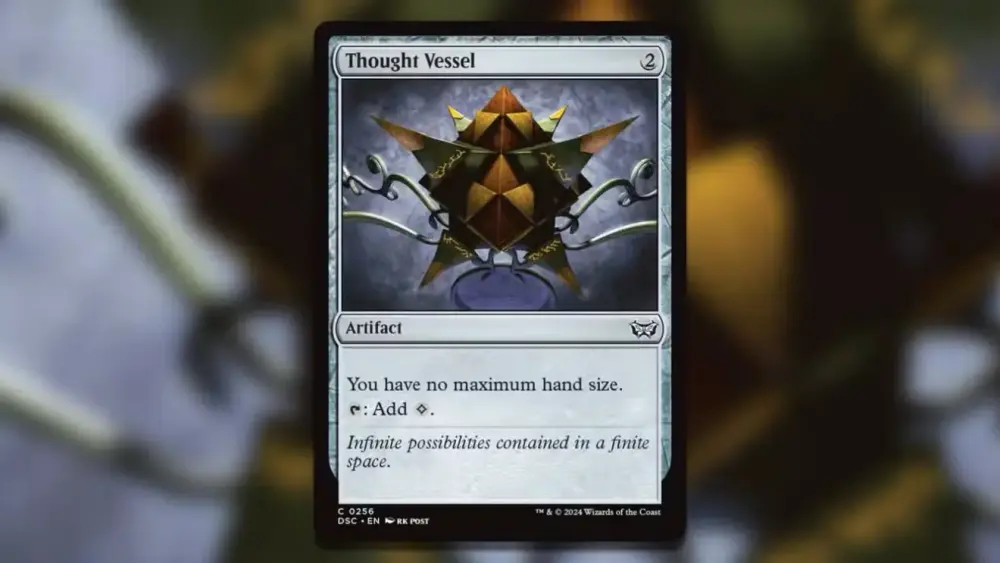
Commander precon upgrade proxies work best when you stop thinking card by card and start thinking in packages. That is the cleanest way to make a precon feel tighter without turning the deck into a 99-card panic attack. Most precons already have a real plan. The problem is that the plan is usually buried under slow lands, medium ramp, filler creatures, cute theme cards that cost too much, and not quite enough interaction.
That is normal. Precons are built to be playable out of the box, not perfect. They need to introduce a theme, show off new cards, and still be friendly to newer players. So when people say a precon feels clunky, they are usually not describing one bad card. They are describing a whole layer of the deck that needs help.
That is why I like commander precon upgrade proxies in grouped packages. A good package fixes a job. Mana. Draw. Removal. Protection. Finishers. When you proxy upgrades that way, your deck gets better in ways you can feel right away, and your testing actually tells you something useful.
For a strong reusable baseline, start with the Commander Staples Package for MTG. Then use the packages below to push your specific precon in the direction you actually want to play.
Why Upgrade Packages Beat Random Singles
The classic precon upgrade mistake is easy to spot. You find fifteen spicy cards, jam them all into the list, cut fifteen random cards, and hope the deck magically becomes “better.” Sometimes it does. A lot of the time, it just becomes different.
Packages avoid that problem.
A mana package makes your first four turns cleaner. A draw package keeps your hand from emptying out. An interaction package stops you from losing to the first scary permanent someone resolves. A protection package keeps your commander or board from folding to one wipe. A finisher package turns “i am kind of ahead” into “the game is actually ending now.”
That sounds simple because it is simple. And simple is good here. Precons improve fastest when you fix the boring parts first.
The Mana Package Every Precon Wants
If I am upgrading a precon, mana is almost always the first package I print. Not because mana is exciting, but because bad mana makes every test game lie to you. If you stumble on colors, miss a land drop, or spend turn three playing a tapped land and passing, you never get a fair read on the rest of the deck.
A good mana package usually includes three things:
better untapped color fixing
more efficient two-mana ramp
fewer lands that enter tapped for no real payoff
In green decks, that often means cards like Nature’s Lore, Three Visits, Farseek, and a land base that actually supports them. In non-green decks, this is where Arcane Signet, Fellwar Stone, Mind Stone, the talismans, and the signets pull real weight. And if your precon came with too many clunky utility lands and not enough clean color sources, fix that before you touch the flashy spells.
This is also the place where proxies feel especially good. You can clean up the mana base without pretending your deck needed thirty theme swaps before it needed to cast spells on time.
The Draw And Engine Package
Precons often start strong and then kind of run out of road. You cast your commander, play your obvious synergy pieces, trade resources a little, and then look down at two cards in hand while the blue player is somehow on eight again. That is not a theme problem. That is a card flow problem.
Your draw package should match the kind of deck you bought.
Creature and token decks want engines that reward board presence. Skullclamp, Guardian Project, Tocasia’s Welcome, Beast Whisperer, and Kindred Discovery are the kind of cards that turn normal development into real advantage.
Artifacts want payoffs that make every rock, bauble, or token body pull extra weight. Enchantments want engines that care about casting or controlling enchantments. Graveyard decks want cards that turn milling, discarding, or recasting into real velocity. Spellslinger decks want cheap draw, impulse draw, and mana-positive payoff pieces that keep the turn going.
The mistake is not “not enough good cards.” The mistake is using generic draw when the deck has access to draw that also advances the plan. The best commander precon upgrade proxies in this package are the ones that do both jobs at once.
The Interaction Package
This is the package newer players skip and experienced players quietly respect.
A lot of precons need cleaner answers. Not necessarily more answers, though that can matter too. Cleaner ones. The kind you can cast on time, the kind that answer the permanent that is actually killing you, and the kind that do not sit in your hand while someone runs away with the game.
A strong interaction package usually adds:
two or three efficient spot removal spells
one or two board wipes that match your deck
one piece of graveyard hate or stack interaction if your colors support it
White and black precons often want better one-for-one removal right away. Green decks usually want flexible answers to artifacts and enchantments. Red wants at least one clean answer that does not care what permanent type showed up. Blue decks need permission and bounce that are cheap enough to matter before turn nine. And almost every deck likes having at least one reset button that does not accidentally wreck its own game plan more than the rest of the table’s.
This is also where your deck starts feeling “real.” The second your precon can answer the annoying card instead of just staring at it, the whole experience changes.
The Protection And Recovery Package
A surprising number of precons are one board wipe away from becoming a sad little pile of lands and memories.
That is why I almost always add a protection and recovery package early. Not because every deck needs to become hyper-defensive, but because good Commander decks get to keep functioning after the first bad thing happens.
This package can look different depending on colors, but the jobs stay the same:
protect your commander
keep your best engine piece alive
recover from wipes and mass removal
rebuild without spending five turns doing nothing
In some decks that means Swiftfoot Boots, Lightning Greaves, Heroic Intervention, Teferi’s Protection, or a well-placed protection spell. In others it means recursion like Eternal Witness, Sevinne’s Reclamation, Bala Ged Recovery, Reanimate, Victimize, or other tools that let you get the good stuff back.
And this is where a lot of precons jump from “fun when left alone” to “actually resilient.” You stop feeling like the game ends every time the table notices your board.
The Finisher Package By Archetype
This is the part people want to start with, and i get it. Finishers are fun. They are the cards you remember. They are also better once the deck can actually support them.
Still, every precon eventually wants a cleaner way to close.
Tokens And Counters
These decks usually want one or two real “end it” cards, not five more medium anthem effects. A good finisher package gives you a fast overrun line, a scaling payoff, or one brutal turn that punishes the table for letting you keep a board.
Graveyard Decks
Graveyard shells love finishers that turn setup into one huge swing. Reanimation bursts, graveyard-wide recursion, and big payoff creatures matter more than one extra self-mill piece that does not actually win.
Artifact Decks
Artifacts often want one card that converts “i have a bunch of stuff” into lethal pressure. Sometimes that is a payoff creature, sometimes it is an anthem-like effect for artifact bodies, and sometimes it is just a cleaner engine piece that snowballs so hard it becomes the win.
Spellslinger Decks
These decks need to decide whether they are trying to chain value, storm off, or burn the table out. Once that is clear, the finisher package gets much easier. Fewer cute copy effects, more actual closing power.
Lands And Ramp Decks
Lands decks usually do not need more raw mana. They need payoffs that matter once all that mana is there. Extra land drops are great, but eventually the package needs to end the argument.
The general rule is easy: your finisher package should be short and brutal. Two to four cards that truly change the game will do more for a precon than seven cards that are all “pretty solid.”
Match The Package To The Precon You Actually Bought
This is where people overthink things.
You do not need a unique philosophy for every precon. You need the right order of operations.
If your deck is slow and stumbles early, start with mana.
If it empties its hand, start with draw.
If it loses to one permanent, start with interaction.
If it dies to the first wrath, start with protection and recovery.
If it does everything except actually win, start with finishers.
That is it. That is the upgrade logic.
And once you know the weak layer, commander precon upgrade proxies stop feeling random. They become targeted repairs.
Print In Waves, Not One Giant Identity Crisis
There is a reason i like upgrading precons in small batches. You learn faster.
Print the mana and draw package first. Play games.
Then print the interaction and protection package. Play games.
Then print the finisher package once you know how the deck actually wins at your table.
That approach saves money, keeps cuts easier, and stops you from overcommitting to cards that looked amazing at midnight and boring by game three.
For a cleaner way to do that, MTG Deck Upgrades Workflow: Printing in Waves is worth reading next. It fits precon upgrades almost perfectly.
Conclusion
The best precon upgrades are not random “best cards.” They are packages that fix the part of the deck that is currently letting it down. Mana first. Draw second. Interaction and protection next. Finishers after the deck can actually support them.
That is why commander precon upgrade proxies are so useful. They let you patch the weak layers first, test the deck honestly, and build toward the version you actually want to play instead of the version that looked cool in a shopping cart.
Wizards continues to publish Commander decklists with new product releases, and EDHREC keeps a current precon upgrade hub covering recent decks across those releases. The names and themes keep changing, but the upgrade logic stays pretty consistent.