
TLDR
The most disliked MTG cards usually do one of three things: lock players out, punish basic game actions, or create miserable swing turns.
In competitive formats, cards like Oko, Ragavan, Nadu, and The One Ring became lightning rods because they warped games around themselves.
In Commander, salt classics like Stasis, Winter Orb, Armageddon, Cyclonic Rift, Drannith Magistrate, and Sheoldred keep showing up because they make the table feel like only one person is really playing.
There is no single official “most hated” list, but there is a very real pattern to the cards players complain about most.
Ask ten Magic players about the most disliked MTG cards and you will get ten different answers, plus one extra answer from the person who is still mad about getting hit by Armageddon in 2017.
But the overlap is real. The cards people hate most are usually the ones that stop normal Magic from happening. They lock mana, shut off interaction, punish drawing cards, reset the whole table, or snowball so hard that everybody else starts playing defense immediately. If you want examples of the most disliked MTG cards, start with the cards that attack agency more than life totals.
What Makes a Card One of the Most Disliked MTG Cards?
A card does not have to be banned to be hated. And it does not even have to be the strongest card in the room.
Most of the time, disliked cards share one or more of these traits:
They stop players from using their mana normally.
They punish things players are supposed to do, like drawing cards or casting spells on curve.
They create long turns, repetitive loops, or lopsided board resets.
They force the whole game to revolve around answering one card right now.
That last point matters a lot. Players usually tolerate strong cards better than they tolerate cards that make the game feel smaller, slower, or one-sided.
Competitive Format Villains
Oko, Thief of Crowns

If you want a poster child for “every game is about this now,” Oko, Thief of Crowns is near the top of the list. Wizards later used Oko as a cautionary example, saying the card “invalidates most permanents more expensive than himself.” That is about as blunt as official design language gets. Oko did not just win games. He made a huge chunk of normal gameplay feel silly. Your cool threat, your utility artifact, your build-around piece, all of it could just become an Elk and move on with its life.
Ragavan, Nimble Pilferer
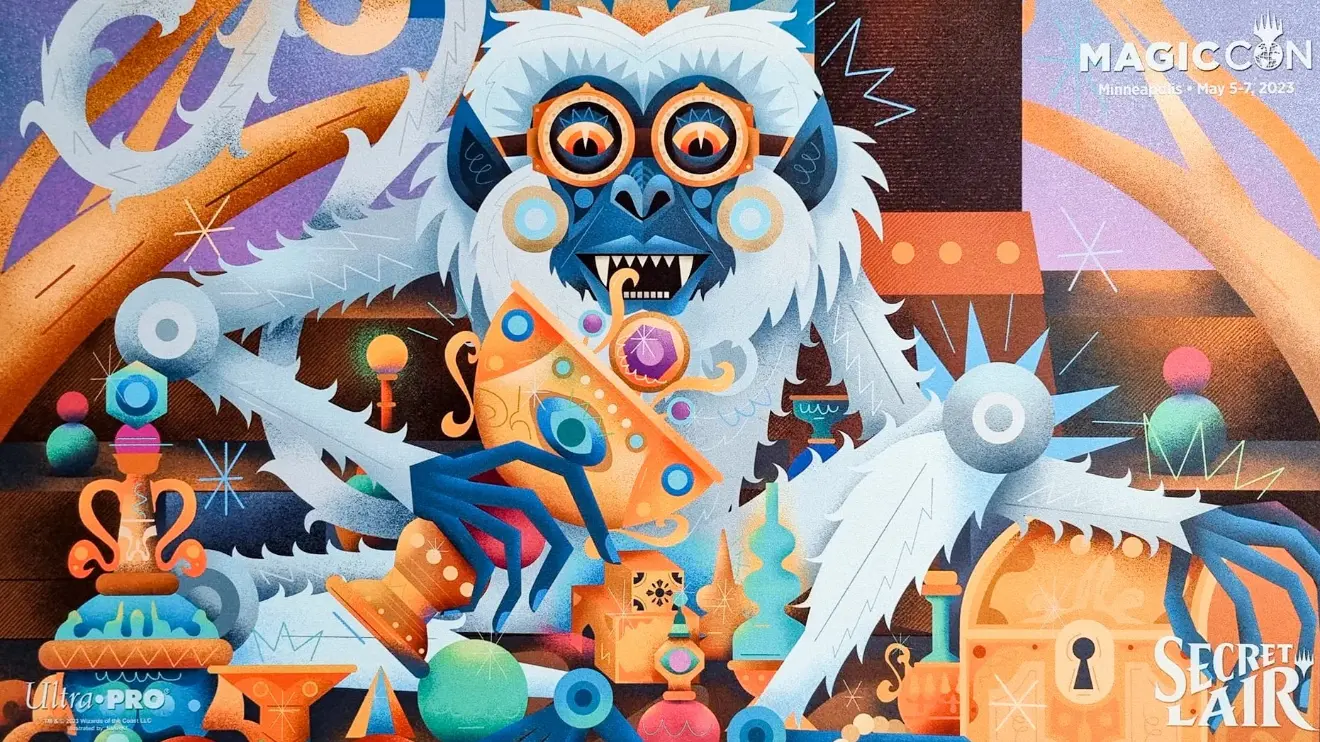
Ragavan is one of those cards that looks almost fair until it hits you once. Then you remember the card makes a Treasure, steals your top card, pressures life totals, and costs one mana. That combination is why players hated seeing it early. The card text tells the story pretty clearly, and its efficiency was enough to earn a Legacy ban. Even when a format adapts, Ragavan still represents a kind of gameplay people resent: tiny body, massive snowball, immediate must-kill status.
Nadu, Winged Wisdom
Recent Magic gave us a very modern kind of disliked card: the one that turns the game into a long, fiddly engine turn where everybody else mostly watches. Nadu, Winged Wisdom was so badly received that Wizards published a piece literally titled On Banning Nadu, Winged Wisdom in Modern, and the lead designer flat-out called it “a design mistake.” That is not normal postmortem language. Nadu is a great example of how a card can be hated not just for power, but for how much time and friction it creates once the engine starts humming.
The One Ring
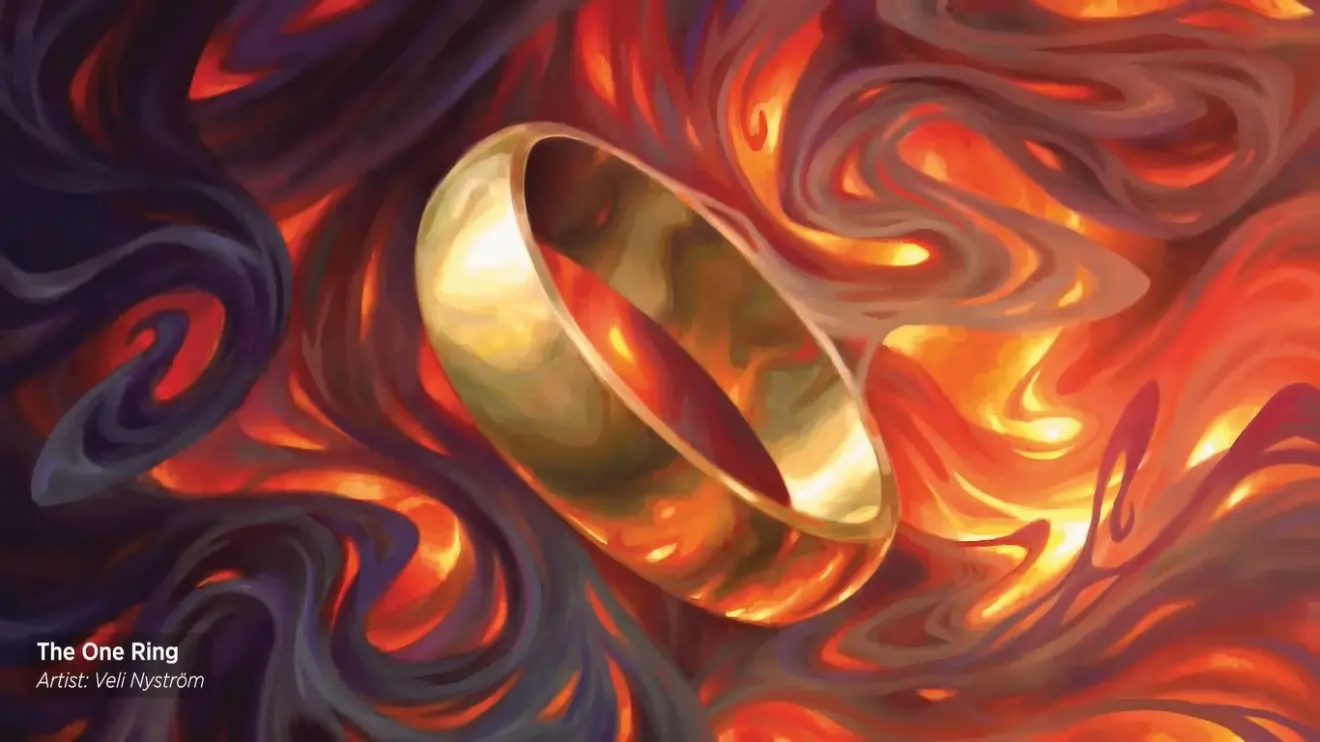
The One Ring is disliked for a different reason. It gives immediate breathing room with protection from everything, then turns into a draw engine that can take over games fast. Wizards explicitly said they were monitoring its play pattern, and by December 2024 it was banned in Modern. Players do not mind strong value cards in the abstract. They mind strong value cards that also buy a free turn and demand an answer immediately. The One Ring does exactly that.
Commander Salt Classics
Competitive hate and Commander hate overlap, but Commander has its own special genre of misery. If a card makes three opponents collectively sigh, it tends to stick around in the discourse for a long time.
Stasis, Winter Orb, and Armageddon
These are not subtle cards. Stasis makes players skip untap steps. Winter Orb limits untapping. Armageddon just destroys all lands. As of April 2026, EDHREC’s current salt list puts Stasis at 3.06, Winter Orb at 2.96, and Armageddon at 2.67, which tells you players are still not exactly writing love letters to mana denial. These are some of the clearest examples of disliked cards because they attack the basic ability to keep playing the game.
Teferi, Time Raveler

Players hate Teferi, Time Raveler because it turns off one of Magic’s most fun dimensions: playing at instant speed. The official card text is brutally simple. Your opponents can cast spells only any time they could cast a sorcery. Wizards later singled Teferi out as an example of a card that “invalidates most instants.” That pretty much explains the hate in one sentence. Teferi does not just protect your plan. He makes the other player’s timing tools stop mattering.
Drannith Magistrate and Opposition Agent
Some cards are disliked because they make common game actions feel illegal. Drannith Magistrate stops opponents from casting spells from anywhere other than their hands, which means commanders, flashback cards, cascade hits, and a bunch of other normal gameplay lines suddenly get bricked. Opposition Agent does something even more personal by hijacking library searches. On EDHREC’s current salt list, Drannith sits at 2.46 and Opposition Agent at 2.32. That checks out. People do not enjoy feeling like their deck text got edited mid-game.
Sheoldred, the Apocalypse
Sheoldred is one of the most disliked MTG cards because it punishes something players are supposed to feel good about: drawing cards. The card text is clean and cruel. When you draw, its controller gains life. When opponents draw, they lose life. On EDHREC’s current salt list, Sheoldred sits at 2.03. That number feels right. Sheoldred often turns normal card flow into a pain engine, and once wheel effects or repeated draw triggers show up, the table starts doing mental math nobody asked for.
Cyclonic Rift
Not every hated card is a hard lock. Cyclonic Rift is disliked because one overloaded Rift often creates the exact kind of Commander turn everybody remembers for the wrong reason. The caster keeps their board. Everybody else picks up their stuff and gets told to replay the game from a worse position. EDHREC’s current salt list has Cyclonic Rift at 2.36, which is pretty impressive for a card that technically just bounces things. In practice, it usually reads more like “nice board state, shame if something happened to it.”
The Real Pattern Behind Disliked Cards
If you step back, the most disliked MTG cards are not random at all.
They usually attack one of four things:
Mana. If players cannot untap lands or keep lands on the battlefield, frustration spikes fast.
Timing. If players lose the ability to interact when they want to, the game feels scripted.
Cards. If drawing cards becomes painful or restricted, the fun floor drops.
Agency. If one card tells the whole table what they are no longer allowed to do, resentment shows up quickly.
That is why cards with very different text boxes end up in the same emotional bucket. Stasis and Sheoldred do not play the same way. Oko and Cyclonic Rift do not look alike. But they all create a version of Magic where one player gets a lot more say in how the rest of the game will feel.
Which Cards Are Worth Testing Anyway?
Here is the funny part. Some of the most disliked cards are also some of the best cards to test.
If you are trying to understand why tables react a certain way, proxy testing a few of these cards is actually useful. Not because you need to become the villain of your pod, but because it teaches you where the line is between “strong” and “miserable.”
A good short list for that kind of testing looks like this:
The One Ring, to feel how quickly one card can take over a game
Sheoldred, the Apocalypse, to see how much pressure a passive damage engine creates
Drannith Magistrate, to understand just how much text it shuts off
Cyclonic Rift, to learn why one end-step overload changes the whole table
Winter Orb or Stasis, if you want to understand why mana denial gets such immediate reactions
You will learn fast. Sometimes faster than your friends would prefer.
Final Thoughts
There is no perfect, universal list of the most disliked MTG cards. Format matters. Power level matters. Playgroup culture matters.
Still, the usual suspects keep showing up for a reason. Oko, Ragavan, Teferi, Nadu, The One Ring, Stasis, Winter Orb, Armageddon, Sheoldred, and Cyclonic Rift all earned their reputations by making normal Magic feel less normal. Some did it through raw rate. Some did it through lock pieces. Some did it by turning the game into a long, ugly second act.
And that is the real lesson. Players usually do not hate cards just because they lose to them. They hate cards that make the game feel like it stopped being a conversation.
FAQs
What Is The Single Most Disliked MTG Card?
There is no single official winner. In Commander-focused salt data, Stasis and Winter Orb rank near the very top of the current EDHREC list, while in competitive play Oko and Nadu are two of the clearest examples of cards that drew lasting backlash.
Are The Most Disliked Cards Always The Strongest Cards?
No. Some are extremely strong, but others are hated more for play pattern than win rate. A card that makes a game drag, locks mana, or turns off interaction can be more disliked than a cleaner, faster finisher.
Why Is Commander Hate Different From Tournament Hate?
Commander puts more weight on shared game experience. A card that resets three boards, bricks commanders, or prevents people from untapping tends to draw more table-level hate than a card that is simply efficient.
Is Cyclonic Rift Still One Of The Most Disliked MTG Cards?
Yes, especially in Commander. It remains high on EDHREC’s current salt list, and the reason is simple: overloaded Rift often resets everyone except the caster.
What Should I Test First If I Want To Understand These Cards?
Start with The One Ring, Sheoldred, Drannith Magistrate, and Cyclonic Rift. Those four give you a very quick feel for how card draw pressure, rule restriction, and one-sided resets change the mood of a game.